
Record Suspension Specialists
Record Suspension Specialists – ?
When the term pardon was changed to record suspension a lot people were upset. It’s understandable. We’ve been in the business of doing pardons since 2002 and all of our marketing effort is focused on the word pardon. All the names in the industry use the word pardon and frankly, people know what a pardon is.
On the other hand hardly anyone knows what a record suspensions is. But since a pardon and a record suspension is the same thing, we are hereby declaring ourselves record suspension specialists.
However, in the hopes of not taking ourselves too seriously I created the diagram below to help everyone understand what a record suspension is.
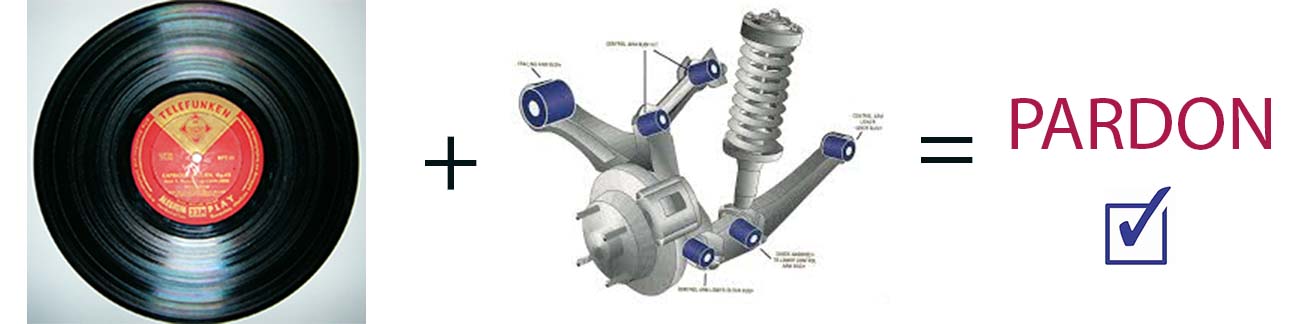
Record + Suspension = Pardon
Of course this is kind of old news. People are starting to understand what a record suspension is although most people I talk to still prefer to call it a pardon.
Interestingly enough in French the term pardon was never officially a part of the pardon program lexicon. The actual term used by the government of Canada was Demande de réhabilitation. Understandably, hardly anyone in Quebec or anywhere else in Canada used that term. Instead the correct term, or at least the popular one, was always demande de pardon.
So don’t worry that pardons are being eliminated. They are not. The term was simply changed to record suspension.
Whether you call it a pardon or you call it a record suspension it is still the same thing. Your criminal record is sealed. And if you are looking for a team of specialists that know what they’re doing you’re in the right place.
Still confused? I didn’t think so. But if there is anything to do with pardons or record suspensions you need clarified just give us a call. We love to chat about both.
Michael Ashby
514.842.2411 x 227
mashby@nationalpardon.org
Comment (0)
Anonymous / June 8, 2010
Dear Sir/Madam,
I will be eligible to apply for a pardon on or after Feb. 27, 2010. Last month, I heard the Federal Government may eliminate the Pardon. I am very worry!
According to your expert’s opinion, do you think the new legislations are going to affect my chances to receive a Pardon? The proposed legislation is NOT passed yet(becomes law).
What are your advices?? Thank-you for your kind attention. Hope to receive your valuable opinion and advices.
Ontario
Anonymous / June 8, 2010
Sorry..sorry….I made an error. Should be on Feb. 27, 2012!
Michael Ashby / February 27, 2014
Hi Anon,
If you are eligible for a record suspension then you are eligible for a pardon. I would love to take care of your case. You can contact me personally if you like. My extensions is 227.
Michael