
Everyone Makes Mistakes
We Help Fix Them

Canadian Pardon
A Canadian Pardon, also known as a record suspension, will clear your criminal record in Canada.
START HERE
US Entry Waiver
A US entry waiver overcomes border restrictions and lets you to enter the United States of America.
START HERE
Fingerprinting
RCMP certified fingerprinting is the most reliable way to perform a criminal background check in Canada.
START HEREClient Guarantee
At National Pardon Centre your file is in good hands. We’re not just honest, we’re efficient. We firmly believe we run the best pardon and waiver service in Canada.
Unfortunately nobody can guarantee results or time frames. Decisions are up to the government and time frames are based on the courts, police, RCMP, etc. But rest assured we will always advise you honestly and act in your best interest.
It’s not just our guarantee. It’s our promise!

A private administrative services organization
Clearing criminal records since 2002
Over
0
Happy Clients
About National Pardon
The National Pardon Centre was founded in 2002 by Michael Ashby and Nicole Levesque. It operates as a private administrative services organization. We offer what we believe are the highest quality Canadian pardon services and US entry waiver services in Canada.
The National Pardon Centre is also an RCMP accredited fingerprinting services provider. It was one of the first companies in Canada to receive this accreditation.

We’re Trusted
We’re Connected

We’re Secure
CLIENT HELP CENTRE
Existing clients
You can get in touch with a counsellor at the National Pardon Centre any time during business hours. We are always happy to answer your questions. You can also use the options below help keep yourself informed and/or help us keep your file moving along.
Rest assured that we want your case finished up and in your hands just as much as you do.
HOW TO GET STARTED
Not our client yet? Not a problem.
If you live near one of our walk in centres in Montreal or Toronto the best way to begin your application is to come visit us during business hours. We have digital fingerprinting onsite so if you plan on opening a file be sure to bring TWO pieces of government ID.
If you don’t live near us don’t worry. We handle pardon and waiver applications for people across Canada and abroad.
STILL LOOKING?
If you’re still looking for the something to click try our blog or read the news. Both can help you better understand what you need and how we can help.
What is a Prohibition Order & How to Remove it to Cross the USA Border?
Anyone who has a prohibition order under section 109 of the Criminal Code of Canada (CCC) is most likely be.

GREAT NEWS – WALK IN SERVICES RESTORED
We are happy to announce that the National Pardon Centre is now providing walk-in services. Clients can once again drop.
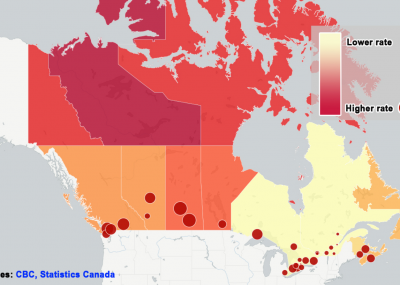
What City Has the Highest Crime Rate in Canada?
When people around the world think of Canada, they generally think of a safe country to live in, but that.

What is a Summary Conviction Offence?
In Canada, there are two categories of criminal offences: summary and indictable. Generally speaking, they mainly differ in terms of.
Pardons News Canada

U.S. pardon services company ‘preyed’ on Canadians, alleges California D.A.
Retroactive changes to criminal pardons violate charter rights, B.C. judge rules
No blanket pardon for Canadians with marijuana convictions, Liberals say
Government defends retroactive elements of criminal pardons law
Ottawa Should Fix Punitive Pardon Process
Pardon Applications Down Under Tories
Lower Pardon Fees For Minor Offences?
Legal System Reform
Public servants face credit checks, fingerprinting in new security screening regime
US Waiver News

THE BEST WORST BORDER STORY EVER!
Fewer Canadians being turned away at U.S. border under Trump despite anecdotal reports
Travel between U.S. and Canada surges to kick off 2017
Outmoded U.S. immigration system poses security risk: study
U.S. analysis to gauge threat posed by Canadian border
Overzealous Big Brother stopping Canadians from entering U.S.
Canadians with mental illnesses denied U.S. entry
Kitchener Muslim family fingerprinted, denied entry to U.S.